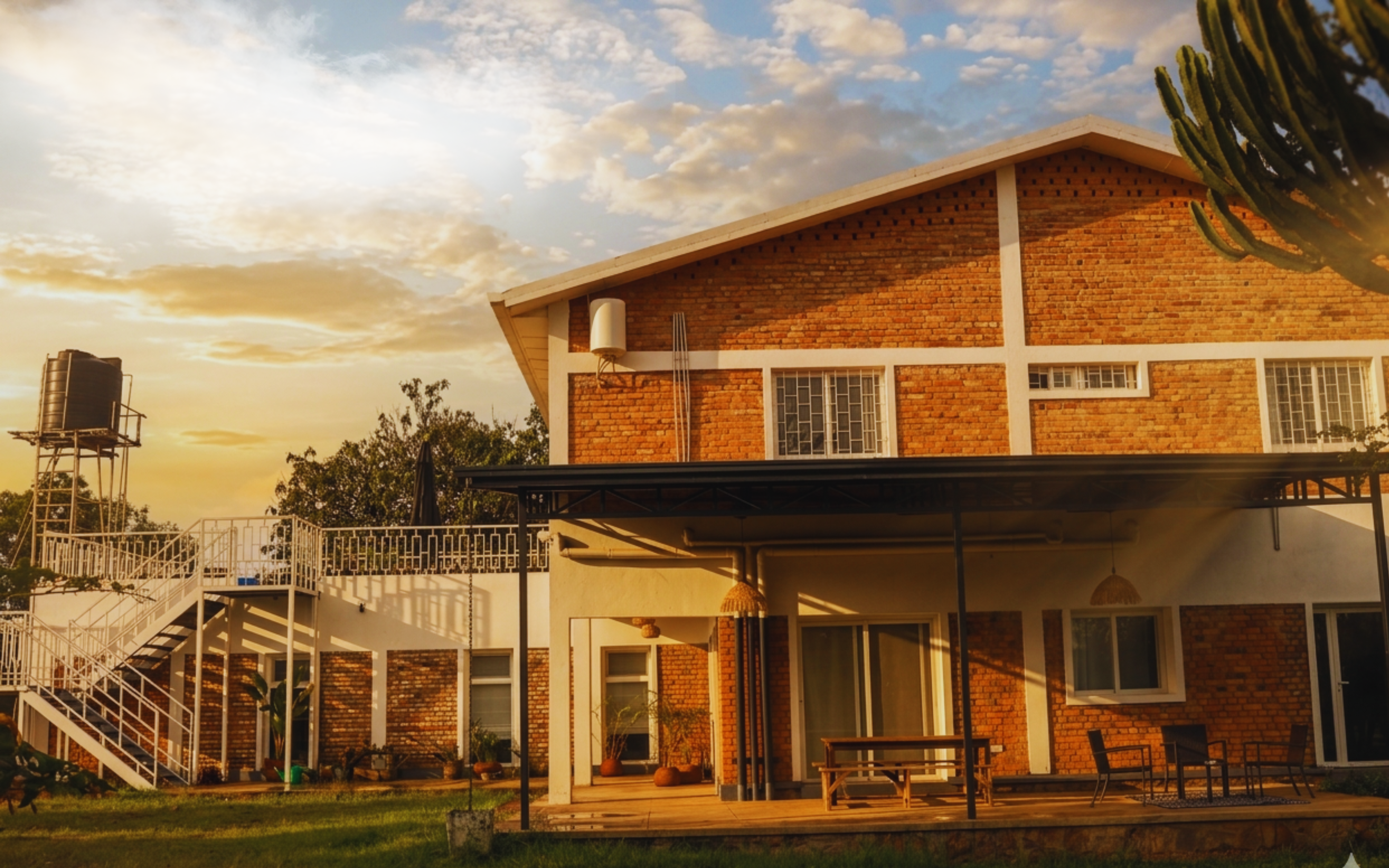
How Kigali's Skyline is Evolving
Kigali's architectural landscape is undergoing a remarkable transformation. As Rwanda's capital city experiences rapid economic growth and urban development, a new generation of architects, designers, and developers is reshaping how the city looks and functions. This evolution reflects global design trends while embracing Rwanda's unique cultural heritage and environmental context. Let's explore the architectural movements defining Kigali's built environment in 2024.
1. Biophilic Design and Green Spaces
Biophilic design—integrating nature into the built environment—is becoming increasingly popular in Kigali. This approach recognizes that human connection to nature improves wellbeing, productivity, and property values.
- Living Walls: Vertical gardens adorning commercial and residential facades improve air quality and aesthetics
- Green Roofs: Vegetation-covered rooftops transform underutilized spaces into productive gardens and recreation areas
- Courtyards and Atriums: Interior green spaces bring natural light and fresh air deep into building cores
- Native Plantings: Species selection emphasizes local flora that thrives in Rwanda's climate
2. Glass Curtain Walls and Transparency
Modern commercial buildings in Kigali increasingly feature expansive glass facades that create visual depth, maximize natural light, and establish connections between interior and exterior spaces. This trend reflects confidence in Kigali's growth and creates dynamic, visually interesting streetscapes.
- Double-Skin Glass Systems: Advanced glazing provides thermal performance while maintaining visual transparency
- Smart Glass Technology: Electrochromic windows automatically adjust opacity to manage solar heat and glare
- Frameless Designers: Minimal framing creates clean, contemporary aesthetics
- Daylighting Benefits: Natural light reduces energy consumption and improves occupant wellbeing
3. Mixed-Use Developments and Vertical Density
Kigali is evolving beyond single-use office towers and residential enclaves. New mixed-use developments combining retail, office, residential, and hospitality spaces create vibrant urban neighborhoods with 24-hour activity.
- Ground-Floor Activation: Commercial and hospitality uses at street level create pedestrian energy
- Residential Above Retail: Live-work-play environments reduce commuting and enhance walkability
- Flexible Spaces: Adaptable layouts accommodate future tenant changes
- Parking Integration: Underground or structured parking preserves street-level vibrancy
4. Contemporary Minimalism and Clean Lines
Rejecting ornamentation in favor of form-follows-function principles, contemporary minimalism dominates high-end residential and commercial design in Kigali. This aesthetic emphasizes quality materials, precise detailing, and functional beauty.
- Material Honesty: Concrete, steel, and glass are celebrated in their pure forms without artificial finishes
- Geometric Precision: Sharp angles and proportional relationships create visual harmony
- Negative Space: Strategic voids and open areas enhance spatial composition
- Monochromatic Palettes: Sophisticated color schemes emphasize form over distraction
5. Imigongo-Inspired Contemporary Design
Rwanda's iconic imigongo geometric artwork is influencing a new generation of contemporary design. Architects are translating these traditional patterns into modern architectural language through façade treatments, interior elements, and spatial arrangements.
- Pattern-Based Facades: Geometric screens and perforated panels reference imigongo traditions
- Chevron and Diamond Motifs: Iconic patterns appear in ceiling designs, floor plans, and decorative elements
- Cultural Pride: Design serves as a statement of Rwandan identity and heritage
- Functional Art: Patterns often serve practical purposes (solar shading, privacy) while honoring traditions
6. Climate-Responsive Architecture
With Rwanda's equatorial climate presenting both opportunities and challenges, forward-thinking architects design buildings that naturally adapt to local climatic conditions, reducing mechanical system demands.
- Strategic Orienting: Building placement maximizes trade winds and minimizes solar heat gain
- Deep Overhangs: Shade structures protect windows while allowing winter sun penetration
- Natural Ventilation: Cross-ventilation strategies provide comfort without air conditioning
- Thermal Mass: Concrete and stone moderate temperature fluctuations
7. Urban Public Space Design
Beyond individual buildings, architects and urban designers are reshaping Kigali's public realm. New plazas, parks, and pedestrian zones create gathering places that strengthen community bonds and enhance quality of life.
- Pedestrian-First Planning: Walkable neighborhoods reduce vehicle dependency
- Public Plazas: Programmed open spaces host markets, events, and informal gatherings
- Tree-Lined Streets: Vegetation provides shade, improves air quality, and creates pleasant walking environments
- Safe Public Spaces: Well-lit, designed-for-all environments encourage social engagement
The Future of Kigali's Architecture
These architectural trends reflect Kigali's maturation as a continental city. The combination of global design sophistication, cultural awareness, and climate responsiveness creates buildings that are both beautiful and functional. At Thousand Homes, we're actively participating in this architectural evolution, bringing world-class design principles to every project while respecting local context and Rwandan values.
The next chapter of Kigali's story will be written in concrete, glass, and steel. As a leading construction partner, we're committed to building that future thoughtfully, sustainably, and beautifully.