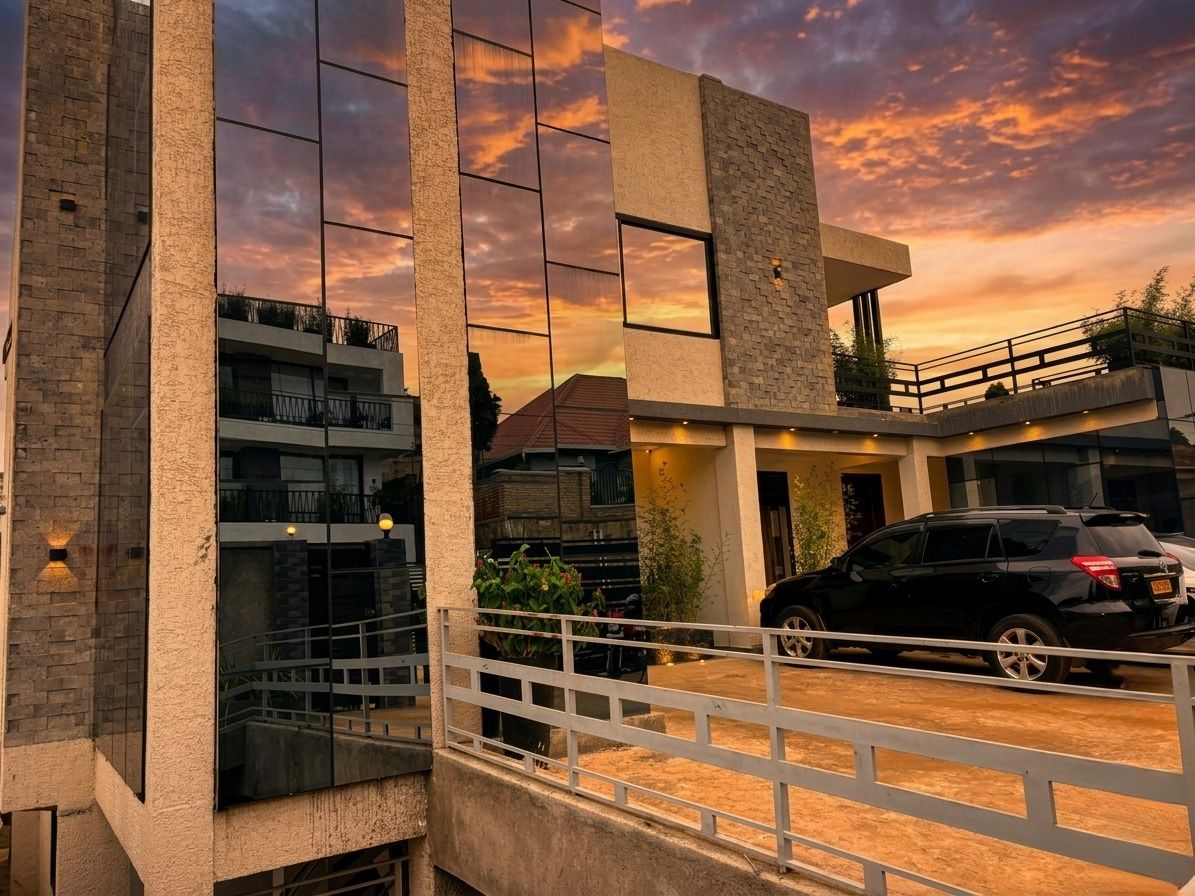
Learn From Rwanda's Most Costly Renovation Errors
Home renovation can be exciting and rewarding, but it can also become a financial nightmare if mistakes derail the project. In our decade of managing renovations across Kigali and Rwanda, we've witnessed countless expensive errors that could have been prevented with proper planning. This guide shares the 10 most common renovation mistakes we see—and how to avoid them in your own project.
1. Starting Without a Detailed Plan and Budget
The most common mistake? Beginning renovation work without clear plans or realistic budgets. Projects without defined scope consistently exceed timelines and budgets.
- Solution: Create detailed renovation plans with line-item budgets before breaking ground
- Planning Costs: Invest 2-3% of project budget in professional planning—it saves 10-20% overall
- Contingency: Always reserve 15-20% for unexpected discoveries and changes
- Timeline: Establish realistic schedules with documented milestones
2. Failing to Pull Proper Permits and Approvals
Skipping permits seems to save money and time—until regulatory authorities stop the project or force costly corrections. Many renovation disasters result from unpermitted work.
- Legal Consequences: Unpermitted work can trigger fines, forced removal, or legal liability
- Safety Issues: Permits ensure work meets safety and structural codes
- Resale Problems: Undisclosed unpermitted work creates disclosure liabilities affecting future sales
- Insurance Claims: Damage from unpermitted work may void insurance coverage
3. Choosing Contractors Based on Price Alone
Hiring the cheapest contractor is often the most expensive decision. Low-bid contractors often cut corners or abandon projects when unprofitable.
- References Check: Always verify contractor experience and references with previous clients
- Written Contracts: Detailed contracts specify work scope, timelines, costs, and payment schedules
- Licensed Professionals: Confirm proper licensing, insurance, and credentials
- Site Management: Regular site inspections ensure work quality and timeline adherence
4. Ignoring Structural and Hidden Problems
Cosmetic renovations mask underlying issues. Foundation problems, termite damage, electrical hazards, and water penetration worsen if left unaddressed.
- Structural Inspection: Have qualified engineers assess structural integrity before renovation
- Pest Assessment: Termite and moisture problems are common in Rwanda's climate
- System Upgrades: Aging electrical, plumbing, and HVAC systems need modernizing
- Early Diagnosis: Identifying problems upfront prevents expensive surprises mid-project
5. Poor Material Selections and Quality
Cutting costs on materials often creates problems. Poor-quality materials deteriorate quickly, negating renovation benefits and creating safety hazards.
- Climate Considerations: Rwanda's humidity and rainfall require durable, moisture-resistant materials
- Longevity Over Cost: Premium materials often cost less over their lifetime through durability
- Local Testing: Select materials proven to perform in Kigali's specific climate conditions
- Maintenance Requirements: Consider ongoing maintenance costs when selecting materials
6. Inadequate Ventilation and Moisture Management
Poor ventilation creates mold, mildew, and structural damage. Rwanda's rainy season makes moisture management critical for renovation success.
- Drainage Systems: Proper grading and gutters direct water away from structures
- Ventilation Design: Bathrooms, kitchens, and crawlspaces require proper ventilation
- Vapor Barriers: Moisture barriers prevent water infiltration in walls and ceilings
- Regular Maintenance: Inspect roof, gutters, and drainage systems regularly
7. Underestimating Project Complexity
Renovation work often involves complexities that become apparent only once work begins. Changing conditions, code conflicts, and design challenges arise frequently.
- Realistic Scheduling: Build extra time into project schedules for unexpected issues
- Phased Approach: Break complex projects into phases that can adjust to new information
- Professional Guidance: Architects and engineers help anticipate complexity
- Change Order Process: Formal processes manage scope changes professionally and fairly
8. Ignoring Energy Efficiency Opportunities
Many renovations waste opportunities to improve energy efficiency. Better insulation, efficient HVAC systems, and LED lighting reduce utility costs significantly.
- Solar Consideration: Roof renovations create opportunities for solar panel installation
- Insulation Upgrades: Modern insulation dramatically reduces energy consumption
- Efficient Systems: HVAC and water heater upgrades improve comfort while reducing costs
- Smart Design: Window placement and ventilation strategies reduce mechanical system demands
9. Poor Communication With Contractors and Stakeholders
Renovation disputes often stem from miscommunication. Clear, documented communication prevents misunderstandings that delay projects and escalate costs.
- Written Specifications: Detailed written descriptions of all work prevent interpretation disputes
- Regular Meetings: Weekly or bi-weekly progress meetings catch issues early
- Photo Documentation: Before, during, and after photos create clear project records
- Change Requests: Formal change orders document and authorize scope modifications
10. Skipping Final Inspections and Punch Lists
Many renovations end before complete. Final inspections identify unfinished work, defects, or non-compliance requiring correction.
- Final Walkthrough: Thorough inspection against original specifications
- Punch List: Documented list of remaining work with deadline for completion
- Final Inspections: Professional inspections verify compliance with permits and building codes
- Warranty Documentation: Collect warranties on materials, systems, and workmanship
The Path to Successful Renovation
Successful renovations combine careful planning, professional expertise, quality materials, and excellent communication. While mistakes happen on most projects, anticipating common errors and implementing preventive strategies minimizes problems and surprises. At Thousand Homes, we've spent a decade learning—and teaching—how to renovate successfully in Rwanda's unique environment.
Your next renovation project can succeed without expensive mistakes. Partner with experienced professionals who understand Rwanda's climate, regulations, and building practices. The result will be a beautiful, functional, and lasting renovation you'll enjoy for decades.